



Materials once dismissed are key for reducing environmental impacts
Sustainability in the mattress industry is often framed as a future challenge. Yet, in
many ways, it is a return to what has always worked. Long before polyurethane foam became the standard, mattresses were built with natural fibres: breathable, resilient materials that supported comfort in a simple, effective way. Wool, cotton, horsehair and coconut fibres were not alternatives: they were the foundation of sleep.
As the industry faces increasing pressure to reduce its environmental impact, these materials are again to the fore, not only for designing sustainability back into sleep but also for performance.
‘At Enkev, we see this shift not as a trend but as a necessary evolution. Sustainability is no longer something that can be added at the end of the process. It must be designed into the mattress from the very beginning. This is where eco-design becomes critical. It
is not only about how a mattress feels but how it is constructed, what materials are used and what happens at the end of its life. It means creating products that are breathable, durable and comfortable, while also being designed for separation, recovery and reuse. True sustainability extends beyond materials and manufacturing. Packaging, logistics
and end-of-life solutions are increasingly part of the conversation. While mattress recycling remains complex, progress is being made through improved material selection and system-level thinking,’ says Chris Francis, Enkev UK md.
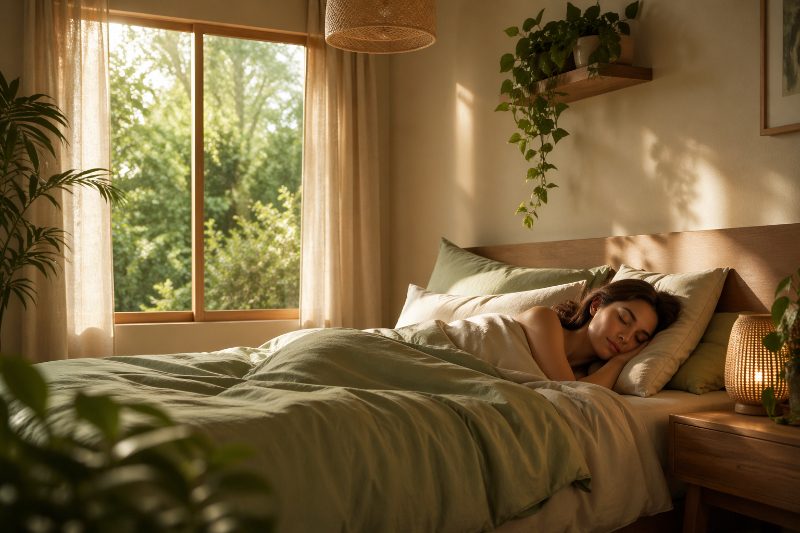
For consumers, this translates into something simple: a better night’s sleep, built on materials they trust. ‘Natural fibres offer a unique advantage in this transition. Our PURe materials, such as coconut fibres and horsehair, combine sustainability with inherent performance. Their open structures allow for continuous airflow, effective moisture regulation and long-term resilience: delivering comfort that lasts, night after night,’ says Francis.
At the same time, expectations are evolving. Consumers are more aware of what is inside their mattress, how it is made and how it contributes to a healthier sleep environment. Breathability, freshness and durability are no longer added features: they are essential.
‘This is where innovation comes into play. The next generation of mattresses will not
rely on a single material or technology but on smart combinations, by integrating
natural fibres with advanced design and engineering to enhance comfort, extend
product life and reduce environmental impact. We work closely with our partners to support these developments: helping translate material science into real, tangible benefits for the consumer, while ensuring solutions remain scalable and commercially viable. Achieving greater sustainability in the bedding sector is not the result of a single innovation. It is the outcome of many interconnected decisions, made across the entire value chain.
‘In that sense, the future of sleep is not entirely new. It is a refinement of what has
always worked: natural materials, intelligently applied and designed for the expectations of today’s consumer.’