
Preparation and the correct materials are key
‘Given the premium associated with LVT and customers’ high expectations for finished results, it is very useful to know how to ensure a flawless finish when installing them. A long-lasting, visually attractive flooring finish when installing luxury vinyl tiles or planks involves following the basic principles of subfloor preparation, as well as taking precautions to avoid common causes of floor failure. Careful product selection at each stage of the process will also help optimise the installation,’ says Neil Sanders, F Ball technical director.
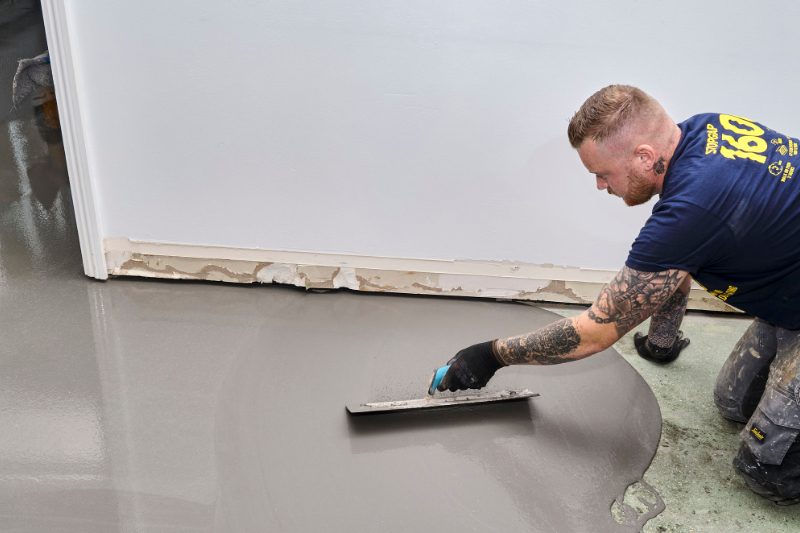
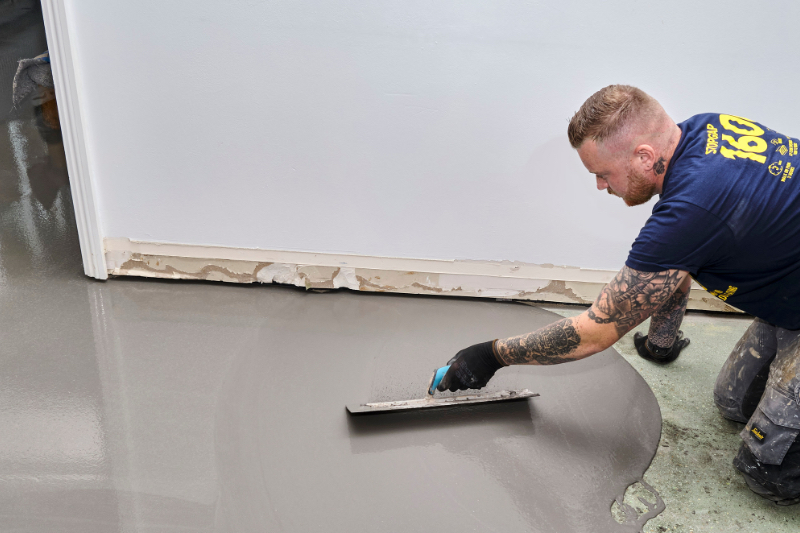
‘A smoothing compound should be applied over the subfloor to create a perfectly
smooth base for the receipt of floorcoverings and ensure that the visual appearance of
an installation is not compromised by imperfections in the subfloor showing through. Before applying a smoothing compound, the first step in any flooring installation should be to check that the subfloor is suitably sound, smooth and dry. Any laitance and contaminants should be mechanically removed.’
A moisture test should be conducted to determine if the subfloor is dry enough to
receive the flooring. Where Relative Humidity levels are higher than 75%, a moisture management solution will be required to prevent moisture attacking flooring adhesives and causing resilient floorcoverings to blister and lift, potentially ruining the appearance of the installation. The usual solution for suppressing excess subfloor moisture is the application of a liquid waterproof surface membrane. The subfloor needs to be primed. Primers promote adhesion between the subfloor and the smoothing compound applied over it. Applied over absorbent subfloors, they also stop the unacceptably rapid drying
of smoothing compounds, which can result in insufficient strength build-up and a reduction in the open time or wet edge of the smoothing compound.
‘Another benefit of priming is reducing pinholing: small holes in the smoothing compound that have the appearance of pinholes or blisters, caused by the slow escape of air from absorbent surfaces as the smoothing compound cures,’ says Sanders.
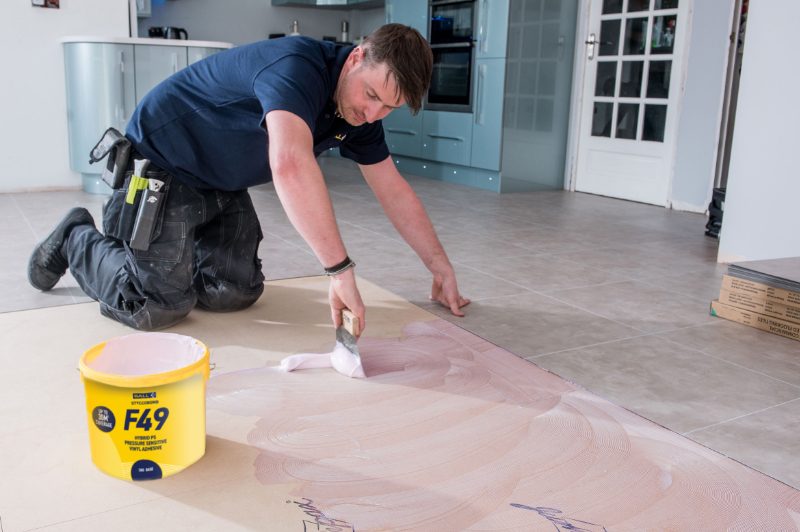
‘To adhere the LVT to the smoothing compound, pressure-sensitive adhesives, such as Styccobond F46, are usually the best choice. They form an instant grab upon contact,
so installers don’t need to worry about tiles or planks sliding about when they are working, making them ideal for installations with intricate designs or patterns.’
Styccobond F46 is part of F Ball’s System LVT range, which is comprised of waterproof surface membranes, primers, smoothing compounds and adhesives that, used correctly and in combination, are guaranteed by F Ball to result in an aesthetically pleasing floor finish that lasts the lifetime of the installation. The range also features pressure-sensitive adhesives with a variety of other specialist attributes, including moisture tolerance and the ability to hold floorcoverings firmly in place in areas exposed to extreme temperature fluctuations from -20degC to 60degC.
‘It is highly recommended that contractors always check the compatibility of particular floorcoverings and adhesives. To do this, you can consult the floorcovering manufacturer’s guidelines. Alternatively, F Ball’s Recommended Adhesives Guide
(RAG) lists adhesives recommended for use with more than 6,000 floorcoverings produced by over 200 manufacturers. The guide is available as a free app or a printed booklet. An interactive version can also be found on the F Ball website. Alternatively, contractors can contact the technical service department, from 8.30am–5pm, Monday
to Friday, for advice on adhesive compatibility.’