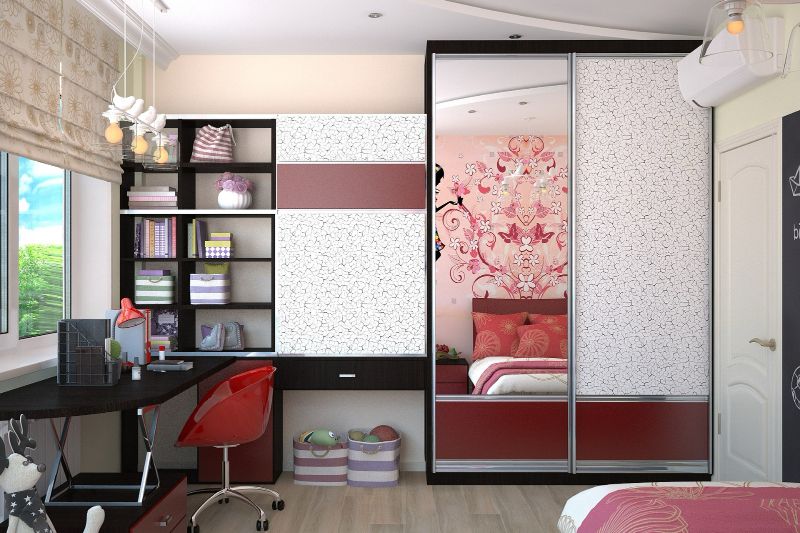



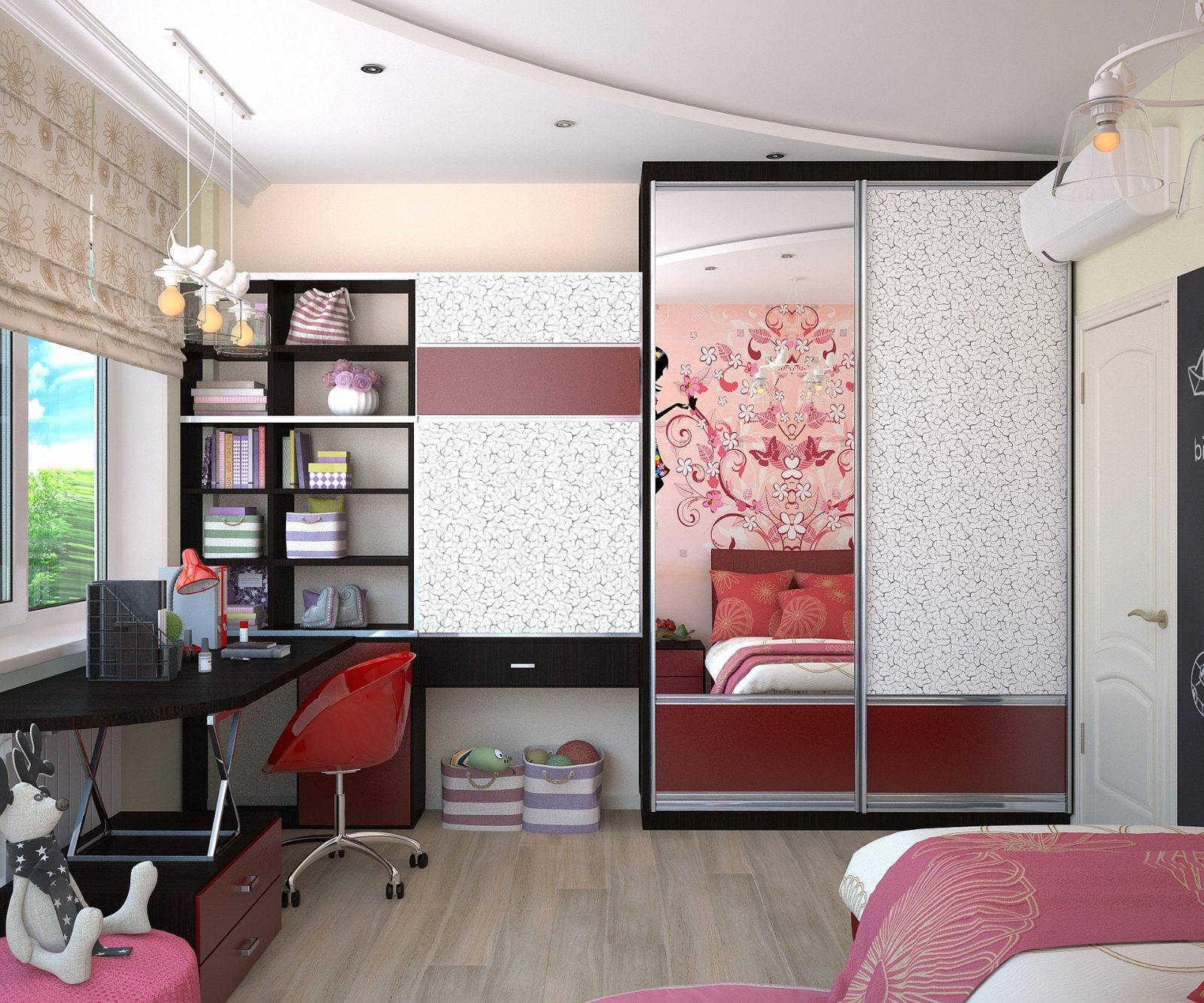
Smaller bedrooms are being redesigned with clever storage solutions and multi-functional furniture to maximise usable floor space. UK homes, particularly in urban areas, often feature compact sleeping quarters that require strategic planning to avoid clutter and maintain comfort. Bed frames with built-in drawers, wall-mounted shelving, and vertical storage systems now form the backbone of space-efficient bedroom layouts. These design choices create the illusion of a larger room while improving organisation and accessibility. Mattress placement, furniture scale, and colour schemes also play important roles in how spacious a bedroom feels. Light-coloured walls, mirrors, and minimal décor help reflect natural light and open up tight quarters. Choosing the right bed size and storage configuration can transform a cramped space into a functional retreat without requiring structural changes or costly renovations.
Why UK bedrooms feel smaller than their measurements suggest
A typical UK double bedroom measures about 2.7m x 3m, but usable space often feels less due to door swings, radiators, and awkward window placement. Door clearance can take up a significant portion of the floor area, while radiators often interfere with the best wall spaces for beds or wardrobes. Window positioning restricts bed placement and reduces layout flexibility, making rooms feel tighter than their actual dimensions suggest.
Usable area drops sharply once these fixed features come into play, a fact buyers commonly overlook. As a result, there is a tendency to bring in wardrobes or chests that overwhelm the available space and impair comfort. Placing furniture along every wall and using large, dark pieces increases a feeling of restriction and also interrupts light travel, making the room appear smaller.
Modern flats and older properties can vary in bedroom size, with newer homes often having more compact rooms. Adjusting furniture selection and arrangement based on the specific layout helps maximise usable floor area. Simple pre-purchase checks such as measuring distances needed for doors and radiators to operate or accounting for window sill depth can prevent selection mistakes and ensure the spending targets practical, well-fitted options.
Strategic furniture placement to reclaim floor space
Positioning a bed along the longest wall best preserves navigable space on each side, making it easier for occupants to enter and leave without difficulty. This approach also improves access for making the bed, reaching integrated storage, and moving freely, supporting better circulation and daily function. Switching out traditional bedside tables for wall-mounted shelves or narrow shelving opens up lower levels and diminishes obstacles along walkways, helping to regain usable space on each side of the bed.
Buyers increasingly prefer bed frames that come with built-in storage, such as models featuring lift-up ottoman mechanisms. These provide deep, accessible spaces for stowing spare bedding or out-of-season clothing, making use of volume that otherwise goes unused. Storage drawers located beneath the mattress can eliminate the need for independent chests or scattered under-bed boxes, allowing circulation zones to remain free of obstacles. Selecting beds of this type ensures the essential pathways between furniture remain clear and supports a more organised approach in compact bedrooms.
Visiting local bed and mattress stores provides practical comparison points for buyers prioritising quality and service. Shoppers gain clear benefits from testing storage beds in person, trying out lifting mechanisms, and verifying storage capacities to avoid costly errors. Viewing beds in a physical showroom enables confident selection, helping ensure the bed fits both functional and spatial requirements while minimising the risk of later regret.
Vertical storage solutions for compact bedrooms
Adding shelving high above headboards or door frames makes use of wall space that frequently remains vacant. Floating shelves offer accessible storage for books, clocks, or decorative plants, and help prevent clutter from spreading across adjacent horizontal surfaces. Tall, slim wardrobes help increase available storage vertically, with designs commonly fitting up close to the ceiling. A wardrobe that is only 60 centimetres wide but 200 centimetres tall sits neatly in an alcove and provides hanging rails and shelves for a variety of garments, improving comfort and visual order.
Material and colour choices that make small rooms appear larger
Soft shades such as white, pale grey, and light sage reflect daylight, allowing compact bedrooms to appear noticeably larger. Eggshell and satin paint finishes bounce sunlight much more than flat, non-reflective paints, helping distribute brightness to all corners and reduce shadows that can shrink the look of a room. Opting for these finishes creates a light-filled setting, even when windows are small or north-facing.
Beds and wardrobes in pale oak or neutral finishes fit smoothly into the space rather than causing the area to feel boxed in. In contrast, darker stains and heavier finishes increase the sense of boundary, making the walls appear closer than they are. Mirror placement remains an established way to visually expand a room. Placing a full-length mirror on a wardrobe door or positioning a large framed mirror on a side wall allows daylight, artificial light, and favourite décor to be reflected, which can visually increase the room’s apparent width or depth.
When mirrors are placed across from windows, the effect intensifies, as the reflection captures views and sunlight that would otherwise be missed. This method improves the sense of airiness and spaciousness, especially when increasing square footage is not possible. Heavy, dark textiles such as charcoal curtains, thick navy rugs, or deep-toned upholstered headboards absorb available light and contribute to a feeling of enclosure. Switching to lighter, thinner textiles boosts light reflection and helps create a sense of openness.
Evaluating beds and storage furniture for long-term worth
Deciding on a new bed or mattress shapes both daily comfort and household expenditure over time. Mattress prices and buyer preferences can vary, with many people now considering factors such as sustainability and product labelling. Considering this kind of investment requires confirming product longevity, support, and the total warranty provided at purchase. Beds and mattresses with extended guarantees are often associated with a commitment to quality and can give reassurance for buyers aiming to avoid early replacement or unexpected additional costs.
Checking certifications is now essential, as UK fire safety amendments enforced from 2025 require mattresses and upholstered frames to carry verifiable compliance labelling. For wooden frames, FSC certification ensures responsible material sourcing, now a core concern among UK bed shoppers. In practice, choosing products that pass full UK safety, warranty, and sourcing checks avoids legal issues and maintains worth when insuring home contents. Shoppers find the best results when testing bed comfort, stability, and integrated storage in-store.
Sustainability credentials and UK regulatory standards
The changes to furniture fire safety and chemical standards in 2025 require close attention from buyers and retailers alike. Visible labels on new mattresses and upholstered beds guarantee compliance. FSC certification on timber frames confirms responsible sourcing, and many UK buyers are now willing to pay a premium for sustainable, well-labelled mattresses. Retailers displaying transparent details about sourcing, recycling, or furniture take-back programmes allow environmentally minded buyers to make informed decisions that limit waste.
Measured planning is the foundation of every successful small bedroom update. Full dimensions should be recorded before selecting furnishings. Marking out door swing arcs, radiator positions, and window recess depth, either on a drawn plan or a planning app, creates a clear visual of the available layout. Space-saving bedroom furniture that combines sleeping space and concealed compartments often replaces additional dressers, allowing surfaces and floors to remain uncluttered. Small bedroom storage solutions UK consistently help reduce common errors, such as misjudged furniture size or excessive reliance on low-level storage. Choosing items that make use of vertical space and reflect natural light gives a more spacious impression, without changes to the building or major spending.