

Aesthetics, comfort and durability must co-exist
Through fibres, technologies and aesthetics, recurring themes emerged at the 33rd edition of Proposte. Technical qualities and functional performance are no longer
limited to the contract sector: they are becoming equally relevant in residential interiors. Durability, easy maintenance and certified flame-retardant properties remain key priorities, alongside innovations that enhance comfort and wellbeing.
New fibres and finishing technologies allow fabrics to integrate antibacterial and
air-purifying qualities, acoustic performance and even olfactory properties, creating textiles that actively contribute to healthier and more comfortable spaces.
Sustainability continues to shape the industry, increasingly interpreted as a broader responsibility towards nature and supply chains. Exhibitors highlighted the importance
of traceability and fibre origin, with growing interest in natural materials such as wool alongside recycled or regenerated fibres and certified products. The progressive move away from PFAS and attention to local sourcing further reflect a more conscious, transparent approach to production.
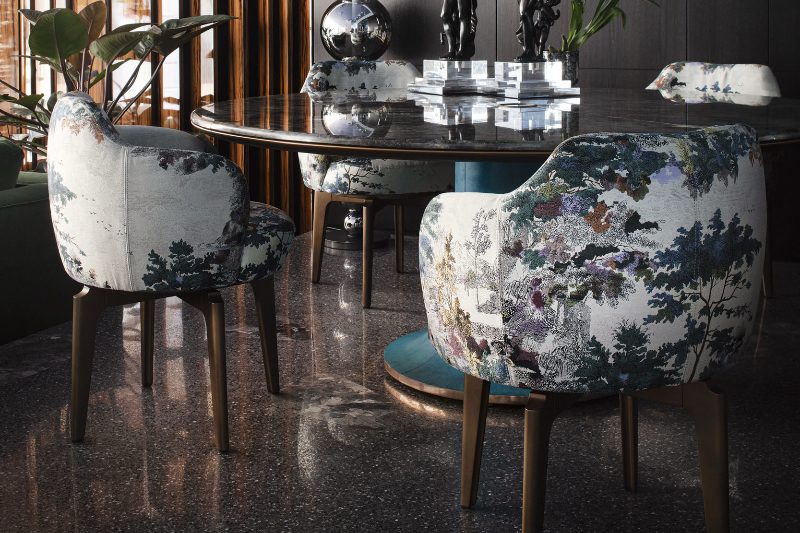
Nature was a strong aesthetic reference, influencing colours, patterns and the overall mood of collections. Earthy tones, warm palettes and motifs inspired by flora and rural landscapes evoked a timeless sense of harmony. Small decorative prints co-exist with more expressive statement designs, often drawing on historical references and reinforcing the connection between contemporary creativity and the heritage of textile manufacturers.
The possibilities of design are being expanded by advances in textile technology, particularly in digital printing. Increasingly sophisticated techniques allow for richer textures, more complex constructions and greater colour depth, while allowing for
higher levels of customisation, encouraging designers to move beyond standardised collections towards more expressive and distinctive textiles.
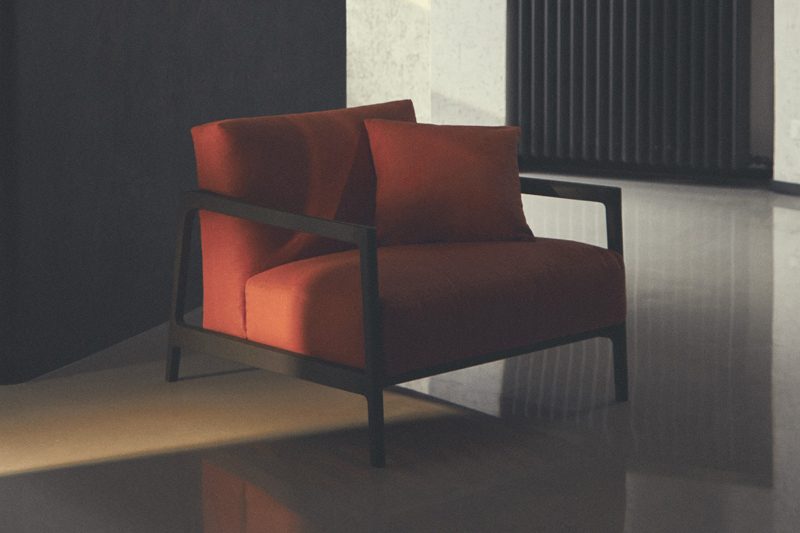
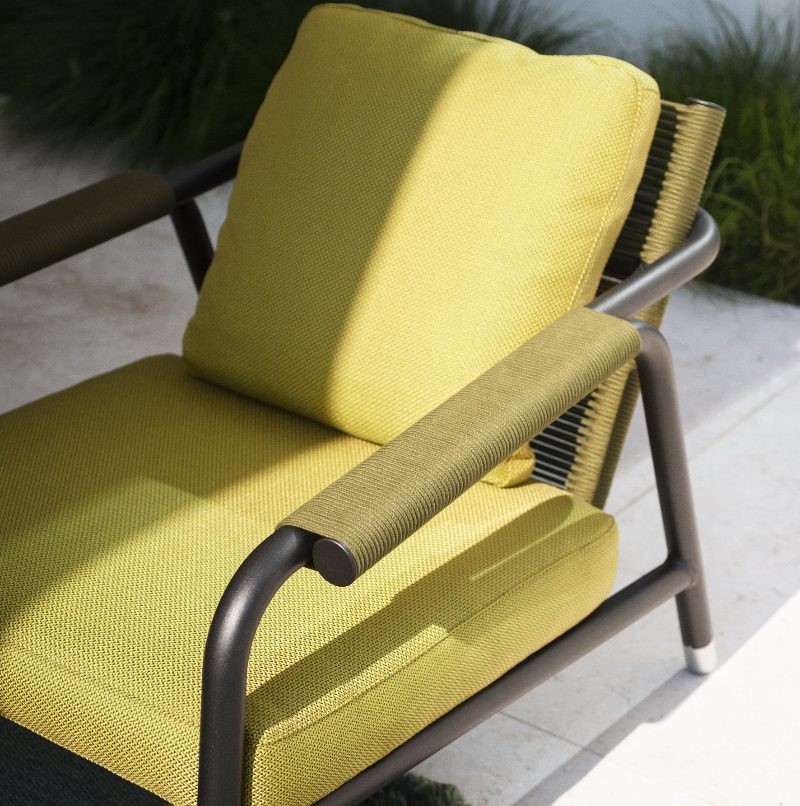
The traditional distinction between indoor and outdoor textiles continues to be less defined. High-performance outdoor fabrics replicate the softness and visual refinement
of indoor materials, while residential interiors increasingly demand the technical
qualities typical of contract environments: textiles are designed to adapt to hybrid
spaces where aesthetics, comfort and durability co-exist.
The show saw the launch of the INTERNI.PROPOSTE AWARD, recognising the most innovative and noteworthy fabrics across three categories. Precious Touch is awarded
to upholstered products or wallcoverings featuring fabrics distinguished by exceptional quality of their composition, craftsmanship or decorative elements, and was won by Flexform and RDQ Giorgetti for Margheri featuring the Cleo fabric. The judges praised
‘its unexpected softness combined with the high technical performance required of outdoor fabrics. The refined design makes the fabric suitable for both indoor and
outdoor use.’
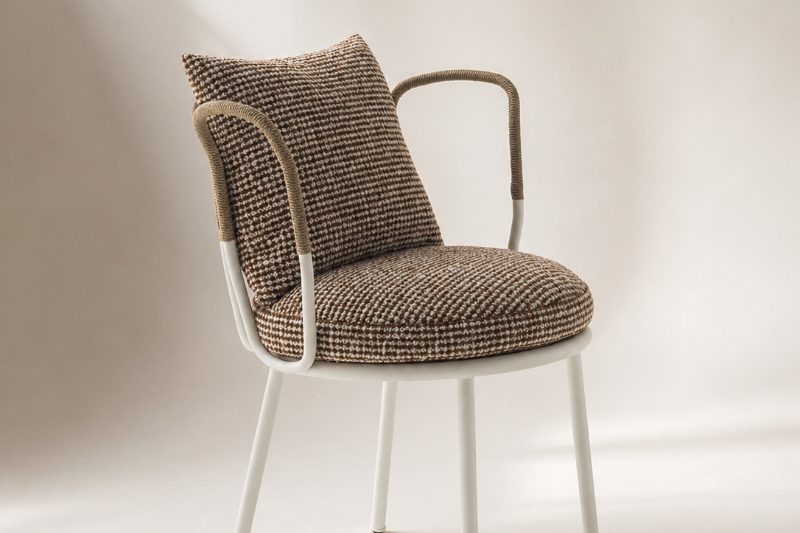
De Padova and Torri Lana 1885 won The Inspired by Nature award for upholstered products featuring fabrics inspired by nature-related themes or made using natural
fibres. Everyday Life features the Eidan fabric, and was recognised ‘for the use of a
fabric incorporating natural fibres and for the overall coherence of a project in which product and textile are perfectly aligned’.
Fine Outdoor is awarded to upholstered products featuring premium outdoor fabrics distinguished by their advanced technical performance, and was won by Roda and Jacqart for Astra featuring the Scala fabric, ‘for its precious three-dimensional weave
and the sophisticated colour research developed in relation to outdoor performance requirements. The dialogue between fabric and product is both coherent and refined.’
A special mention reflecting the show’s Heritage Forward theme was given to Giorgetti and Clerici Tessuto for Elisa featuring the Mikado Belvedere Menta fabric, ‘for exquisite jacquard workmanship combined with innovative fibre research’.